
Buying Property in Croatia: When Can You Get Your Deposit Back?
31/07/2026
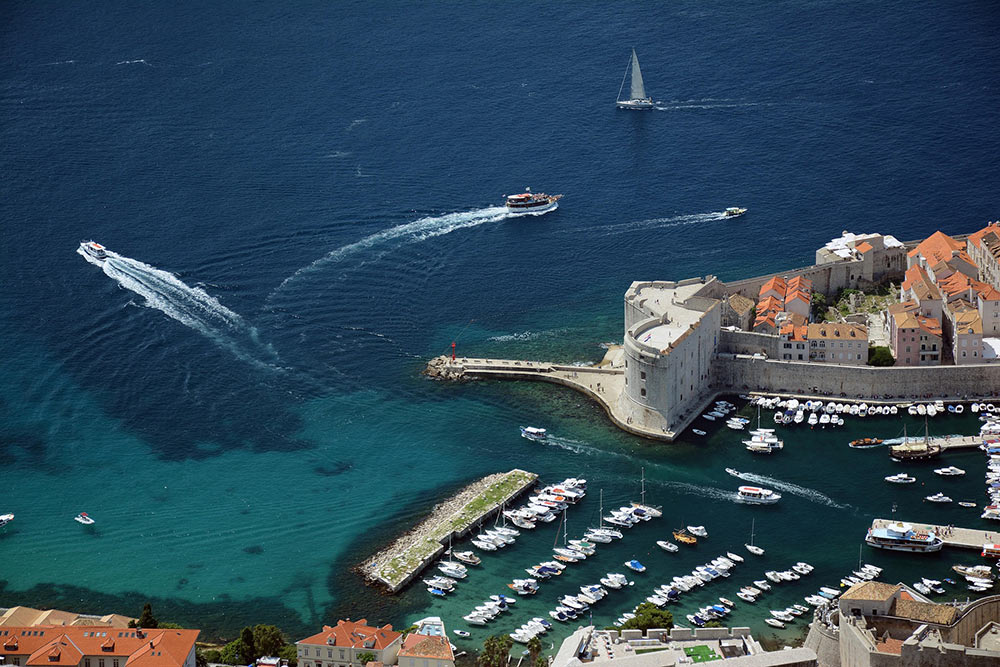
Croatia has one of the largest yacht charter markets in the Mediterranean. Every year, numerous sailing yachts, catamarans and motorboats are offered for sale as they leave commercial charter fleets.
Buying an ex-charter yacht in Croatia can be financially attractive. These vessels may come with regular maintenance records, professional servicing and equipment required for commercial navigation. However, several years of intensive charter use can also cause wear or damage that may not be visible in an advertisement or during a brief inspection.
A particular risk arises when a buyer signs a binding yacht purchase agreement or pays a deposit before arranging an independent marine survey. If the survey later reveals structural damage, evidence of grounding, engine problems or substantial differences between the advertised and actual condition, the buyer’s right to withdraw and recover the deposit will primarily depend on the wording of the contract.
This guide explains the 15 most important legal and technical checks to carry out before buying a used charter yacht, sailing boat or catamaran in Croatia.
An ex-charter yacht has not been used in the same way as a vessel kept exclusively for private purposes. During each charter season, it may have been operated by numerous skippers and crews, often changing every week.
More users generally mean more manoeuvres, marina entries, anchoring, engine hours and potential minor incidents. Some damage may have been properly repaired and documented, while other issues may remain undetected without an out-of-water inspection.
A charter yacht will also often be a business asset owned or operated by a company. It may be subject to a mortgage, leasing arrangement, third-party rights, tax considerations or a yacht management agreement that is not mentioned in the advertisement.
The purchase of an ex-charter yacht therefore requires a combination of:
Before negotiating the purchase, the buyer should establish who is registered as the owner and whether that person or company has the legal authority to sell the yacht.
It is not sufficient to rely on the advertisement, a broker’s statement or the fact that a particular charter company operates the vessel.
The charter company may be:
If a Croatian company is selling the yacht, the buyer should verify who is authorised to represent and bind that company. If the agreement is signed by an agent, the power of attorney should be reviewed before any deposit is paid.
Paying a person who is neither the owner nor properly authorised to receive the money may lead to a serious dispute and prevent the transfer of valid title.
Up-to-date information should be obtained from the register in which the yacht is recorded before the purchase agreement is signed.
The buyer should verify:
The identification number displayed on the hull must match the number stated in the registration documents, builder’s certificate, invoices and purchase agreement.
Additional caution is required if the number appears damaged, altered or inconsistent with the documents.
If the yacht is registered under a foreign flag, the relevant foreign register should be checked. The buyer must also verify which documents will be required for deletion from the existing register and registration under the new flag.
A yacht may be subject to a registered mortgage or another security right. It may also be held under a finance lease, used as security for a debt or subject to contractual restrictions on sale.
The buyer should require evidence that all mortgages, liens and other third-party rights will be discharged no later than completion of the sale.
If part of the purchase price will be used to repay an existing loan or leasing obligation, the agreement should clearly regulate:
The buyer should not pay the full purchase price to the seller in reliance on an informal promise that a mortgage or lease will be resolved later.
If the seller is a Croatian charter company, its current status should be checked in the Croatian Court Register. The buyer should also consider whether there are signs of insolvency, account blocking, pre-bankruptcy proceedings, bankruptcy or liquidation.
The seller’s financial condition is particularly important where several months may pass between payment of the deposit and final delivery.
This is common when a yacht is sold during the charter season but remains in commercial use until the final existing booking has been completed.
The buyer should avoid paying a substantial part of the price in advance while the yacht remains in the seller’s possession and commercial use without appropriate contractual security.
The legal nature of the initial payment matters. A contractual deposit, advance payment and reservation fee do not necessarily have the same legal consequences.
The yacht purchase agreement should clearly state:
A clause describing the payment as “non-refundable” is particularly risky if it does not contain clearly defined exceptions.
If the buyer intends the purchase to be conditional upon a satisfactory marine survey, that condition should be included in writing before the deposit is transferred.
An independent marine survey is one of the buyer’s most important protections when purchasing a used yacht in Croatia.
The offer or purchase agreement should allow the buyer to:
The expression “satisfactory survey” should not be left entirely undefined. The agreement should clarify what may constitute a material defect, such as:
Without an appropriate survey clause, an unfavourable survey report may not automatically entitle the buyer to terminate the transaction and recover the payment.
The marine surveyor should be independent of the seller, yacht broker, charter company and any yard or service provider that previously maintained the vessel.
Depending on the yacht’s type, age and value, the inspection should include:
The buyer should receive a written report supported by photographs and clear conclusions. The report should distinguish between normal wear and tear, defects requiring repair and problems affecting safety or market value.
The advertisement is often the buyer’s first source of information about the yacht’s age, equipment, maintenance and condition. However, the advertisement will not necessarily form part of the final purchase agreement.
Any specification or item that is important to the buyer should therefore be expressly incorporated into the agreement or an attached inventory list.
A detailed inventory should cover items such as:
At delivery, the buyer should verify that every agreed item remains on board and is in the contractually agreed condition.
The seller should provide all available service records, invoices, inspection reports and information about major repairs.
The buyer should specifically investigate:
Missing records do not automatically mean that the yacht is defective. However, incomplete documentation increases the buyer’s risk and should affect the purchase price, contractual warranties and the scope of the technical inspection.
The year of manufacture does not by itself provide an accurate picture of an ex-charter yacht’s condition. Engine hours and operational intensity may be significantly higher than those of a privately used yacht of the same age.
The displayed engine hours should be compared with:
If inconsistencies exist or the hour meter appears to have been replaced, the buyer should request a written explanation and appropriate contractual warranties concerning the accuracy of the information provided.
VAT is one of the most complex issues when buying an ex-charter yacht in Croatia.
The buyer should establish:
Changing the yacht’s flag does not by itself resolve its VAT status. Similarly, registering a yacht outside the European Union does not automatically allow it to remain or be used permanently in EU waters without tax consequences.
For a sale to a buyer outside the European Union, the parties should address the customs procedure, place of delivery and evidence that the yacht has physically left the EU customs territory.
The yacht’s exact VAT treatment should be determined before the final price is agreed and before the purchase agreement is signed.
If the buyer intends to change the yacht’s flag, the contract should clearly identify who is responsible for identify who is responsible for deleting the vessel from its current register and obtaining a deletion certificate.
The buyer should confirm in advance which documents will be required by the new flag state, including where applicable:
A yacht that is correctly registered in Croatia will not necessarily satisfy the registration requirements of every other jurisdiction.
Ex-charter yachts are often sold during the season but delivered only after the seller completes existing charter bookings.
In such cases, the agreement should specify:
The condition recorded during the initial survey may change significantly after several additional months of commercial use.
A final condition inspection should therefore be arranged immediately before the balance of the purchase price is paid.
A properly drafted yacht purchase agreement should coordinate:
For higher-value transactions, the parties should consider an appropriate escrow arrangement or notarial deposit mechanism.
The purpose is to avoid a situation where the buyer has transferred the full price but does not yet control the yacht, hold the original documents or have the ability to register ownership.
Delivery should be documented in a written handover protocol recording:
The yacht purchase agreement should contain clear representations and warranties from the seller confirming that:
The agreement should also define the consequences of breaching these warranties, which may include:
Clauses such as “as is, where is” should not be accepted without legal analysis. Their effect will depend on the overall wording of the agreement, the status of the parties, information disclosed by the seller and whether the seller knew about or concealed a material defect.
If the marine survey reveals serious damage that was not disclosed in the advertisement or during negotiations, the buyer’s rights will depend on several factors:
The buyer should notify the seller immediately in writing, provide the relevant parts of the survey report and clearly state whether the buyer is requesting termination, a refund, repairs or a price reduction.
Important negotiations should not be conducted exclusively by telephone. Written communications may later be essential evidence of what was reported, requested and agreed.
If the buyer intends to keep the yacht in Croatia and continue operating it commercially, the future charter structure must be examined in addition to the yacht purchase agreement.
Croatian charter rules distinguish between vessels flying the Croatian flag, vessels registered in another EU or EEA state and vessels flying the flag of a third country.
Depending on the structure, a foreign yacht or charter operator may require:
A charter management agreement should clearly regulate:
Verbal promises of “guaranteed income” are not a substitute for a detailed charter management agreement.
Before entering into a binding yacht purchase agreement, the buyer should request at least:
Buyers frequently make mistakes by:
Is buying an ex-charter yacht in Croatia a good investment?
It can be, provided that the price reflects the yacht’s age, intensive use and actual technical condition. An independent marine survey, complete maintenance records and legal due diligence are essential before signing a binding agreement.
Can I withdraw if the survey reveals serious damage?
This will primarily depend on the purchase agreement. The buyer is best protected when the purchase is expressly conditional upon a satisfactory survey and the consequences of an unfavourable report are defined in advance.
Is my deposit refundable after an unfavourable marine survey?
Not automatically in every case. The right to a refund depends on the legal nature of the payment, the survey condition, the agreement’s termination provisions and the seriousness of the defects discovered.
Who pays for the marine survey and haul-out?
The parties should agree on this before the inspection. In practice, the buyer often pays the survey and haul-out costs, although the agreement may provide otherwise, particularly if serious undisclosed defects are discovered.
Is an ex-charter yacht necessarily in poor condition?
No. Some charter yachts are professionally and regularly maintained. However, intensive use makes it particularly important to inspect the hull, propulsion system, rigging, equipment and accident history.
How can I prove that VAT has been paid on the yacht?
The original invoices and the full chain of documents supporting the yacht’s VAT status should be reviewed. A seller’s statement or the yacht’s physical presence in Croatia may not be sufficient evidence.
Can a foreign citizen buy a yacht in Croatia?
Yes. However, registration, flag selection, VAT treatment and required documentation will depend on the buyer’s nationality or place of establishment, the yacht’s existing status and its intended future use.
Can I register the yacht under a British, German or other foreign flag?
Potentially, yes, provided that the buyer and yacht satisfy the requirements of the chosen flag state. The buyer should confirm those requirements before completing the purchase and ensure that all necessary Croatian deletion documents will be available.
Can the yacht remain in Croatian charter after purchase?
Yes, if the yacht, owner and charter operator satisfy the applicable Croatian registration, technical, tax and operational requirements.
Should the yacht purchase agreement be bilingual?
For an international transaction, a bilingual agreement is generally advisable. The contract should also specify which language version prevails if the two versions differ.
Which law and courts should apply to the purchase?
This will depend on the parties, the yacht’s flag, the place of delivery and other circumstances. The applicable law and dispute resolution mechanism should be expressly agreed to avoid a preliminary dispute about where and under which law a claim must be brought.
Buying a used charter yacht, sailing boat or catamaran in Croatia can be an attractive opportunity, but only if the buyer verifies its technical condition, ownership, encumbrances, VAT status and registration documents before transferring funds.
The marine survey should not be treated separately from the purchase agreement. A survey may identify a serious problem, but the buyer’s right to withdraw, recover the deposit or request a price reduction will depend on what was agreed before the inspection.
A properly drafted agreement should coordinate the successful survey, payment of the price, discharge of encumbrances, delivery of documents, physical handover and transfer of legal title.
This significantly reduces the risk of paying for a yacht that does not correspond to the advertisement or cannot be registered under the buyer’s chosen flag.
Andrej Bašović Law Office advises Croatian and international clients purchasing sailing yachts, motor yachts and catamarans in Croatia.
Our legal services include:
If you are considering buying an ex-charter yacht or catamaran in Croatia, legal due diligence should be completed before signing a binding agreement or paying a deposit.
A representative from our office will contact you as soon as possible.