Buying Off-Plan Property in Croatia: Protect Your Payments
29/06/2026
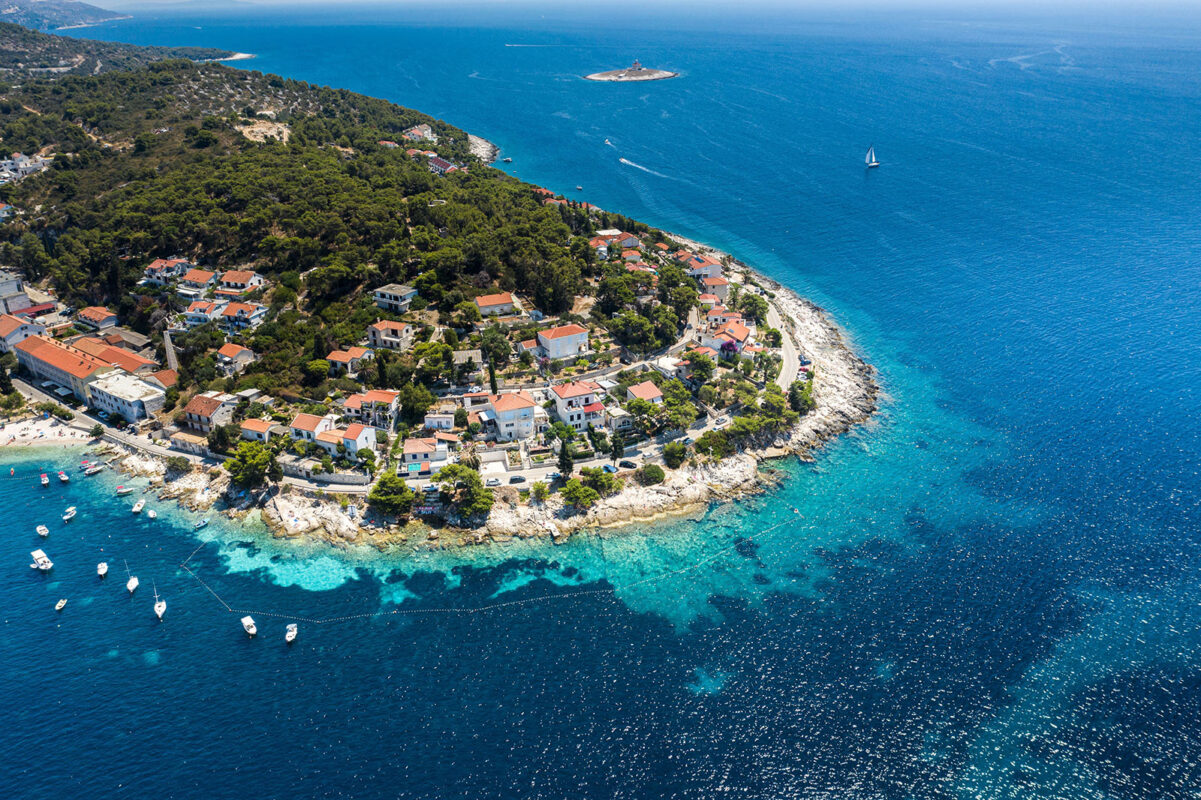
Buying an apartment, house, holiday home, villa, building plot or commercial property in Croatia is a major investment. For many foreign buyers, especially from the United Kingdom, Ireland, the United States, Canada, Australia and other English-speaking countries, Croatia is an attractive destination for retirement, tourism, investment and second-home ownership.
However, purchasing real estate in Croatia is not just a matter of finding the right property and signing a contract. Croatian property law, land registry rules, building permits, ownership records and tax issues can be complex, especially for foreign buyers who are not familiar with the local legal system.
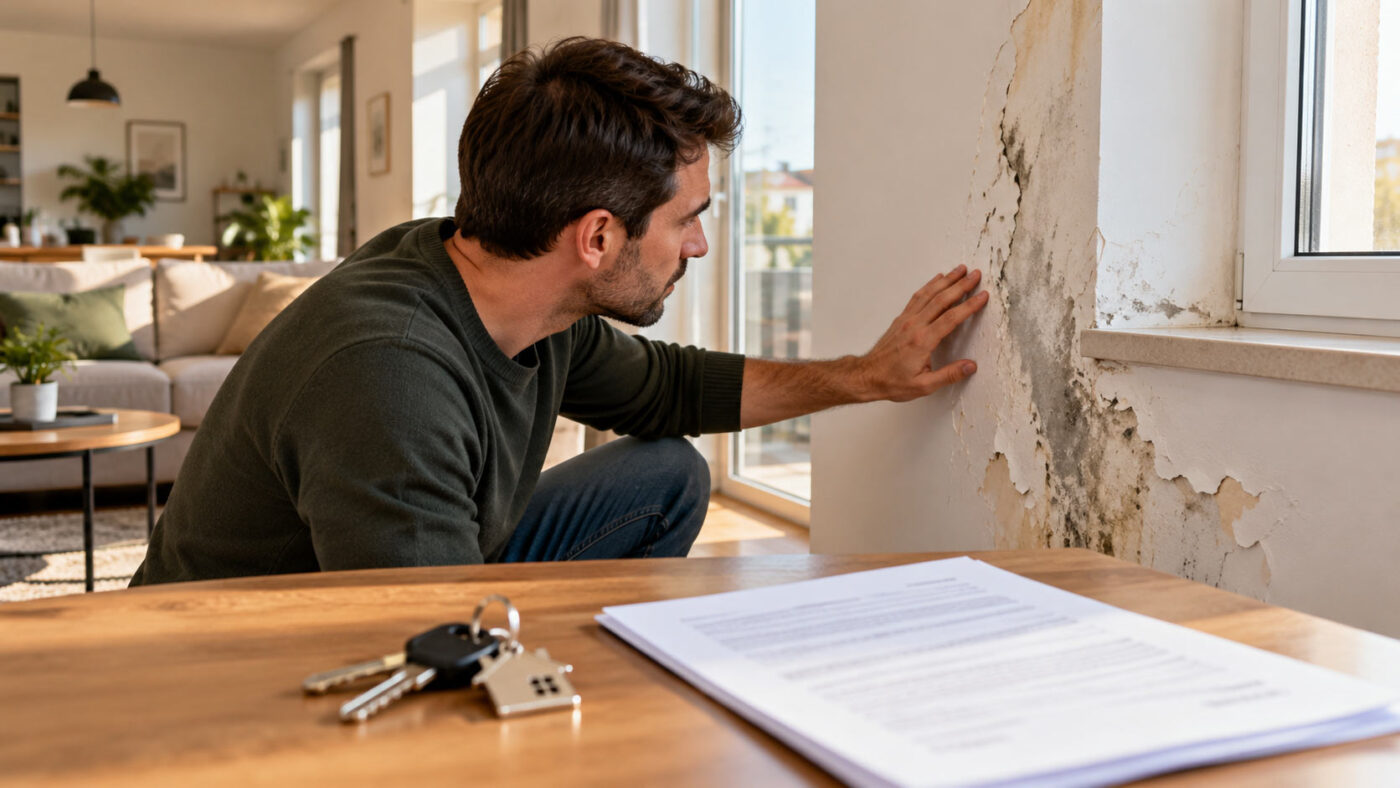
Many problems are not visible during a property viewing. A property may look perfect, but still have legal risks such as mortgages, enforcement proceedings, unresolved inheritance issues, illegal construction, unregistered extensions, co-ownership disputes or rights of third parties.
For that reason, it is highly recommended to have a Croatian real estate lawyer carry out a detailed legal check before signing a pre-contract or purchase agreement.
The first step is to verify who is legally registered as the owner of the property.
A lawyer checks:
If the seller is not registered as the owner, or if the property is owned by several people, the buyer should not proceed without proper legal advice.
A Croatian property lawyer will review whether the property is burdened by:
Buying a property with undisclosed encumbrances can lead to serious financial and legal consequences.
Before signing any document, it is important to confirm that the person selling the property has the legal right to do so.
A lawyer checks:
This is especially important where the seller is acting through a representative or where the property has been inherited.
In Croatia, land registry and cadastral records do not always fully match.
A lawyer compares:
Discrepancies between the land registry and cadastre may create problems with financing, resale or future development.
One of the most important checks concerns the legality of the building.
A lawyer reviews whether:
Buying an illegal or partially illegal building can result in serious legal, financial and practical problems.
When buying an apartment in Croatia, it is important to check whether the apartment is properly registered as a separate unit.
A lawyer verifies:
This is particularly important when buying apartments, tourist apartments or newly built units.
A property may be subject to rights in favour of other persons.
These may include:
Such rights may significantly limit how the buyer can use the property.
A lawyer should also check whether there are any legal proceedings that could affect the property or the seller.
These may include:
This is particularly relevant when buying inherited property or property owned by several family members.
Many buyers purchase property in Croatia with plans to renovate, extend, build a swimming pool, convert the property into tourist accommodation or develop the land.
Before buying, a lawyer can check whether local planning documents allow the intended use or construction.
This may include reviewing:
Before buying property in Croatia, it is important to understand the tax consequences.
Depending on the transaction, the buyer may need to consider:
Proper legal and tax planning helps avoid unexpected costs after signing the contract.
In Croatia, buyers often sign a pre-contract before the final purchase agreement.
A pre-contract usually regulates:
A poorly drafted pre-contract can expose the buyer to unnecessary risk, especially if a deposit has already been paid.
The purchase agreement is the key legal document in the transaction.
A lawyer ensures that it includes:
A properly drafted contract is one of the best ways to prevent future disputes.
The buyer should know exactly when, how and to whom the purchase price will be paid.
A lawyer helps structure the transaction so that payment and transfer of ownership are properly coordinated.
This may include:
Many Croatian properties are owned by several people, especially when they have been inherited.
Potential issues include:
Before buying a co-owned property, it is necessary to determine exactly what is being sold and whether the seller can legally transfer it.
The purchase is not complete simply because the contract has been signed.
After signing, it is usually necessary to:
In Croatia, registration in the land registry is a crucial step in securing the buyer’s ownership rights.
A property lawyer is not only there to prepare a contract. Their role is to identify legal risks, protect the buyer’s interests and guide the transaction from the first legal check to the final registration of ownership.
This is especially important for foreign buyers who may not speak Croatian, may not be familiar with local procedures and may not be able to personally attend every step of the transaction.
Professional legal support can help prevent expensive mistakes, delayed registration, disputes with sellers, issues with inherited property, illegal construction problems and unexpected limitations on the use of the property.
Buying property in Croatia can be a safe and successful investment, but only if the legal aspects are properly checked before signing.
Whether you are buying a house by the sea, an apartment in a city, a holiday villa, a building plot or a commercial property, legal due diligence is essential.
A detailed review by a Croatian real estate lawyer can reveal risks that are not visible during a viewing and can help ensure that the transfer of ownership is legally secure.
If you are planning to buy property in Croatia, our law office provides comprehensive legal support throughout the entire process.
We assist Croatian and foreign buyers with:
Contact our law office with confidence if you need legal assistance before buying property in Croatia. We will help you protect your investment and complete the transaction safely.
Yes, many foreign citizens can buy property in Croatia. However, the procedure may depend on the buyer’s nationality, the type of property and applicable Croatian law. Legal advice is recommended before signing any document.
Do I need a lawyer to buy property in Croatia?It is strongly recommended. A lawyer protects your interests, checks the legal status of the property and helps prevent costly mistakes before the contract is signed.
Is checking the Croatian land registry enough?No. The land registry is important, but it is also necessary to check encumbrances, building permits, cadastral records, tax issues, third-party rights and possible disputes.
Can I buy a property in Croatia if it has a mortgage?Yes, but the transaction must be carefully structured so that the mortgage is properly removed and the buyer is protected.
When do I become the owner of a property in Croatia?In most cases, ownership is secured through registration in the Croatian land registry based on a valid legal document and a proper land registry clause.
A representative from our office will contact you as soon as possible.