Buying Off-Plan Property in Croatia: Protect Your Payments
08/05/2026

Buying an apartment without a real estate agency in Croatia is becoming increasingly common among buyers who want to avoid agency commission fees and find a property independently. Although purchasing real estate without an intermediary can reduce costs, it also involves certain legal risks that buyers often notice only after signing the contract or paying the purchase price.
Buying property without a real estate agency can be safe if a proper legal review of the property, land registry records, and complete documentation is carried out before signing the contract. The most common problems when buying an apartment without an agency include mortgages, unresolved co-ownership issues, illegal construction, condominium ownership issues, and poorly drafted purchase agreements.
In practice, buyers often discover only after the purchase that the property has encumbrances registered in the land registry, unresolved ownership issues, or illegal extensions that may lead to additional costs and lengthy court proceedings.
Below, we explain what you should pay special attention to before buying an apartment without a real estate agency and how to safely purchase property in Croatia.
One of the most common mistakes buyers make is relying solely on the information provided by the seller.
Before purchasing property, it is necessary to verify:
This information is checked through the land registry, and it is particularly important to compare the land registry status with cadastral records and the actual condition of the property.
When buying real estate in Croatia, unresolved ownership issues are among the most common causes of later legal disputes.
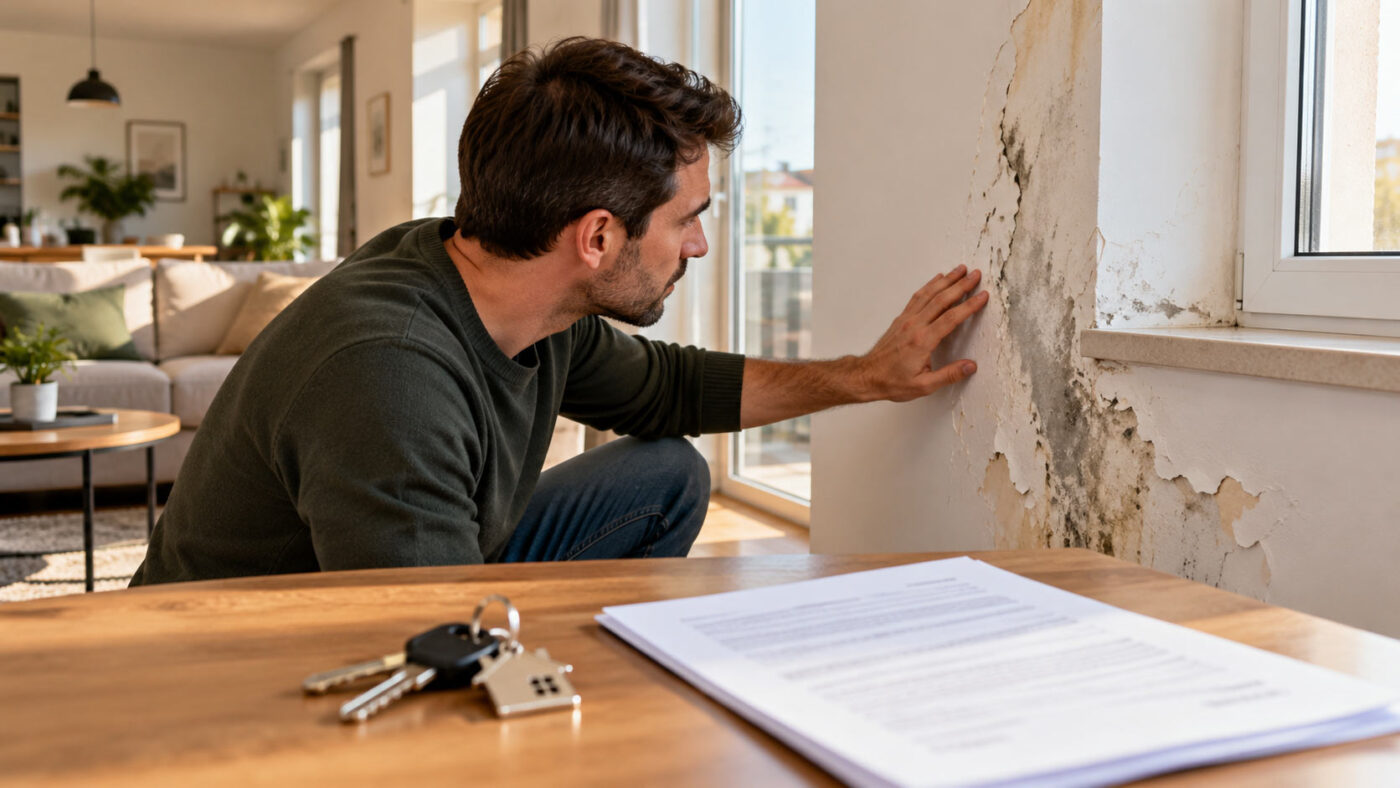
Buyers often assume that a property is legal simply because it is registered in the land registry. However, in practice it is not uncommon for part of the building to be unlegalized or for the actual condition of the property to differ from the construction documentation.
Before purchasing an apartment or house, it is important to verify:
Buyers often discover only after the purchase that part of the building is not legalized, which may cause problems such as:
Checking the legality of the property is especially important when buying older houses or apartments in Rijeka and the Kvarner region.
Deposits are one of the most common sources of disputes when buying property without a real estate agency.
Many buyers pay a deposit without clearly defining the rights and obligations of the parties involved, which can later lead to disputes regarding the return of the deposit or completion of the transaction.
A preliminary agreement should include:
Before paying a deposit, it is recommended to conduct a legal review of the documentation and land registry status of the property.
Buyers often believe that a property is safe if the bank approves a mortgage loan. However, the bank primarily protects its own interests and the value of the mortgage.
This does not necessarily mean that:
A legal review of the property remains the buyer’s responsibility.
When purchasing property with a mortgage loan, it is especially important to verify whether ownership can be properly registered after payment of the purchase price.
If the property has multiple co-owners, it is necessary to verify:
Buying property with unresolved co-ownership relations often leads to lengthy court proceedings and additional costs.
Co-ownership issues are especially common with inherited properties and older family houses.
A purchase agreement should not be treated as a mere formality or a copied template downloaded from the internet.
A properly drafted agreement should clearly regulate:
A poorly drafted agreement may later make it difficult to protect the buyer’s rights and may result in additional costs.
When buying property without an agency, it is particularly important that the agreement protects the buyer’s interests and not only the seller’s.
In practice, the biggest problems occur because buyers try to speed up the purchase process and skip the legal review of the documentation.
The cost of a legal review of the property is significantly lower than the possible consequences, such as:
Buying an apartment without a real estate agency can be a good way to reduce purchase costs, but it also involves legal risks that buyers often discover only after signing the agreement or paying the purchase price.
A timely legal review of the property, land registry records, building legality, and complete documentation can prevent serious problems such as court disputes, loss of deposits, or difficulties registering ownership.
If you are planning to purchase an apartment, house, or other property without a real estate agency and would like legal certainty throughout the entire purchase process, feel free to contact our law office for legal review of the documentation, drafting of agreements, and legal representation during the property purchase process in Croatia.
A representative from our office will get back to you as soon as possible.